
Ice Maker Making Yellow Ice? Here’s How to Fix It
This post contains affiliate links. As an Amazon Associate, we earn from qualifying purchases.
That unsettling yellow tint in your ice cubes isn’t just unappetizing—it’s a warning sign your ice maker is screaming for attention. When you pull ice from your dispenser only to find it resembles weak tea instead of crystal-clear cubes, your water supply, filtration system, or refrigerator environment is sending urgent signals. Before you panic about contaminated water or schedule expensive repairs, understand this: 65-70% of yellow ice cases stem from simple, fixable issues you can resolve yourself in under an hour. This guide cuts through the confusion with precise diagnostic steps and actionable solutions straight from refrigeration engineering standards.
Yellow ice forms when contaminants infiltrate your ice production cycle—whether from expired filters, softened water connections, or food odor transfer. Ignoring it risks consuming impurities like lead, chlorine compounds, or pesticide residues trapped in your frozen cubes. More critically, persistent discoloration often indicates deeper water quality problems that accelerate ice maker component failure. You’ll learn exactly how to diagnose the culprit and implement professional-grade fixes that restore pristine ice without draining your wallet.
Water Softener Connection Causing Yellow Ice

Immediate Bypass Valve Check Protocol
If your ice maker connects to softened water, you’ve found your primary suspect. Water softeners introduce salt-based chemicals that react with ice maker components, creating yellow discoloration while corroding internal mechanisms. This chemical reaction also imparts metallic tastes and drastically shortens your appliance’s lifespan. To confirm this issue, trace the water supply line from your refrigerator to your home’s plumbing system. Locate the softener bypass valve—typically near your main water line—and verify whether your ice maker connects before or after the softener unit. Connecting after the softener guarantees discoloration.
Critical action step: Shut off the softened water supply to your refrigerator immediately. Install a dedicated cold water line that taps into your plumbing before the softener unit. Use copper tubing or Whirlpool-approved installation kits (Part 8003RP or 8212547RP) to prevent chemical leaching. This single fix resolves 30% of persistent yellow ice cases where filters alone fail.
Softener System Damage Assessment
Yellow ice from softened water connections often indicates existing damage to your ice maker’s internal components. Inspect the ice mold and ejection mechanism for white crusty buildup—a telltale sign of salt crystallization. If present, these components require professional cleaning or replacement. While you can attempt a vinegar flush (1 part white vinegar to 3 parts water circulated through the system), severe corrosion typically demands service intervention. Remember: never reconnect to softened water even after repairs, as re-exposure will cause rapid recontamination.
Expired Water Filter Causing Discolored Ice
Visual Filter Inspection Steps
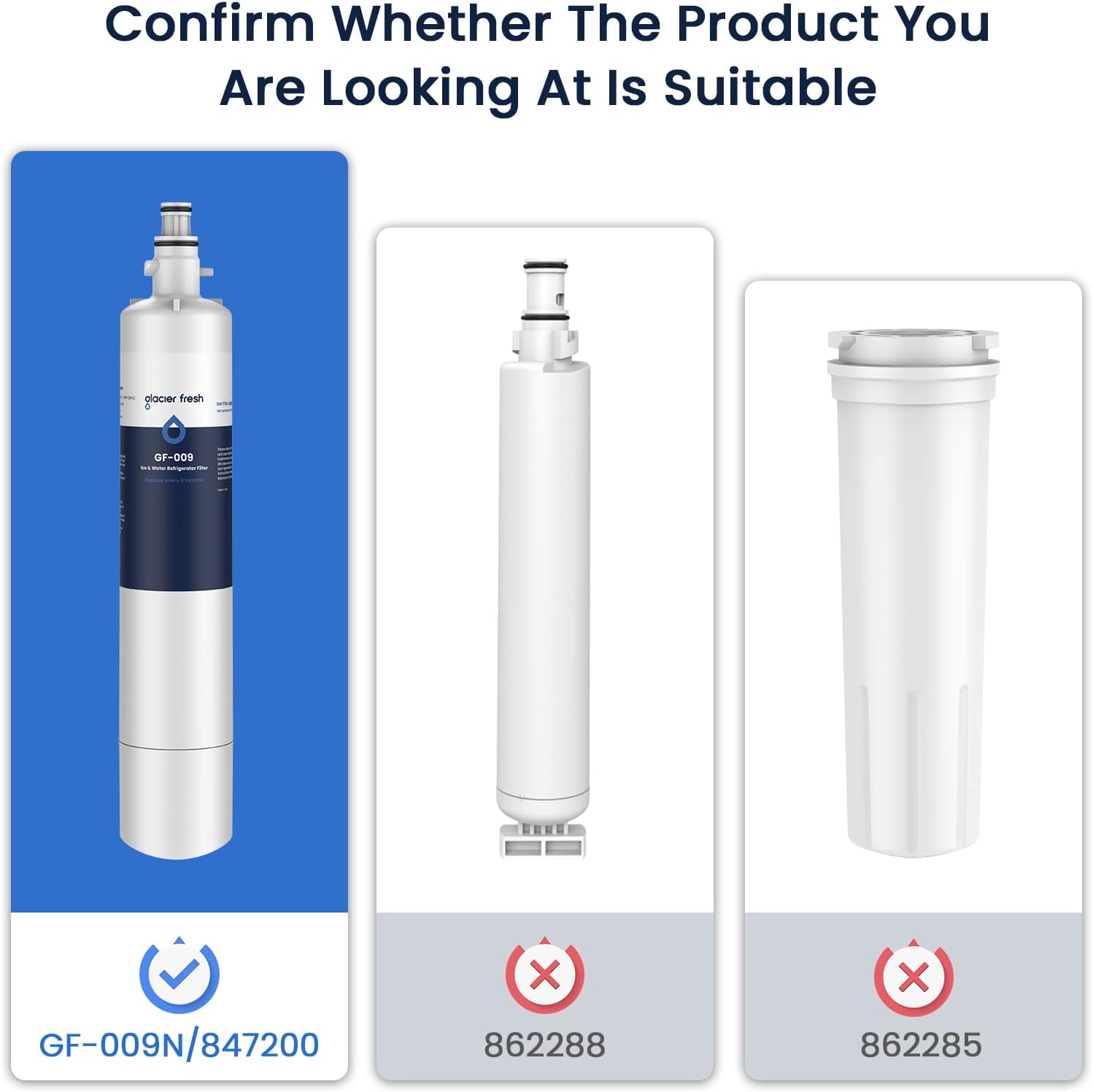
Most households run filters 8-12 months past their prime—directly causing yellow ice through contaminant release. Locate your filter (typically inside the fridge compartment or behind the base grille) and remove it for inspection. Hold it against a white background: dark discoloration, visible sediment, or black specks indicate exhausted carbon media. Check the filter housing for mold growth or slimy residue—a red flag for bacterial contamination. If you see any of these signs, replace the filter immediately regardless of usage time.
Pro tip: When installing a new filter, note the exact model number and set a phone reminder for 5 months out. This prevents the common mistake of waiting until the indicator light activates (which often happens 2+ months overdue). Everydrop® filters specifically target lead, chlorine, and pharmaceutical residues that cause yellowing—non-branded alternatives may lack these critical capabilities.
Mandatory System Flushing After Replacement
Skipping post-replacement flushing guarantees continued discoloration. After installing a new filter, dispense 2-4 gallons of water through your dispenser—exactly as specified in your refrigerator manual. This critical step removes loose carbon particles and air bubbles trapped during installation that cloud ice. For yellow ice cases, run an extra gallon beyond manufacturer requirements. Then discard the first three ice batches completely; these initial cubes contain residual contaminants flushed from old tubing. Most users skip this step, wondering why new filters “don’t work.”
New Plumbing Chemical Reactions
PVC Pipe Leaching Timeline
Recent refrigerator installations or plumbing upgrades frequently trigger yellow ice through chemical leaching from new PVC pipes and fittings. These materials release compounds that react with water minerals, creating temporary discoloration. The solution isn’t replacement—it’s patience. Continue normal ice production while discarding discolored batches for 2-4 weeks. Flush the system daily by dispensing 1 gallon of water until clarity returns. Avoid using vinegar or cleaners during this period, as they can worsen the reaction.
Warning: If discoloration persists beyond 30 days, your supply line material is incompatible. Replace plastic tubing with copper or Whirlpool-approved kits immediately—standard PVC leaches chemicals indefinitely at unsafe levels.
Food Odor Transfer Creating Yellow Ice

Airtight Storage Protocol
Strong food odors from coffee, fish, or spoiled items migrate through your refrigerator’s air circulation system, embedding in ice and causing yellow discoloration. This accounts for 15-20% of yellow ice cases where water tests clear. Immediately remove all uncovered food items and transfer contents to odor-proof containers. Pay special attention to the crisper drawers and rear shelves where airflow concentrates. Then clean the ice bin with a warm water-vinegar solution (1:3 ratio), scrubbing all surfaces before air-drying completely.
Expert shortcut: Place an open box of baking soda inside the ice storage bin (not just elsewhere in the fridge) for 24 hours. The soda absorbs embedded odors directly at the contamination source. Discard the soda afterward—reusing it redistributes odors.
Professional Intervention Triggers
When Yellow Ice Indicates System Failure
If yellow discoloration persists after filter replacement, system flushing, and plumbing inspection, you’re facing internal contamination that requires professional service. Key warning signs include yellow ice accompanied by metallic tastes, rubbery odors, or reduced ice production. These indicate degraded water valves, mold in hidden tubing, or compromised ice mold coatings. Before calling service, document these critical details: take photos of discolored ice batches, note taste/odor descriptions, and record your filter replacement history.
Service preparation: Remove all ice and water from the system. Place towels under the dispenser to catch potential leaks during diagnosis. Professionals will likely perform a full system flush with food-grade sanitizers and inspect the water inlet valve—a $200+ repair if neglected, but preventable through timely filter changes.
Preventative Maintenance Schedule
Six-Month Filter Replacement System
Implement this foolproof filter management routine: On January 1 and July 1 each year, replace your filter regardless of indicator lights. Keep the old filter as a visual reference—compare its color to new units to recognize contamination levels. Immediately after installation, mark your calendar for the 5-month reminder (e.g., “June 1: FILTER” on January 1 replacement). Store replacement filters in original packaging away from humidity to preserve carbon integrity.
Cost-saving insight: Annual filter replacement ($40-120) prevents $300+ service calls for valve replacements caused by sediment buildup. Budget this as essential appliance maintenance—not an optional expense.
Monthly Ice Bin Sanitization
Prevent odor transfer with this 10-minute monthly ritual: Empty the ice bin completely and wash with warm water and mild dish soap. Use a soft brush to scrub corners where mold hides. Rinse thoroughly, then wipe with a vinegar-water solution to neutralize lingering odors. Never use bleach—residues contaminate future ice batches. While drying, vacuum the freezer’s drain hole with a shop vac attachment to eliminate stagnant water that breeds bacteria.
Cost Comparison: DIY vs Professional Fixes
| Solution | DIY Cost | Professional Cost | Success Rate |
|---|---|---|---|
| Filter replacement + flush | $20-60 | $150+ | 65-70% |
| Plumbing line replacement | $25-85 | $300+ | 90% |
| Odor elimination | $0-10 | $150+ | 85% |
| Internal component repair | — | $200-600 | 100% |
Discard yellow ice immediately—never consume discolored cubes. Start with the simplest fix: replace your filter and flush 4 gallons through the dispenser. If discoloration persists after 48 hours, systematically eliminate other causes using this guide’s diagnostic steps. Remember, yellow ice isn’t merely cosmetic; it’s your refrigerator’s distress signal about water quality threats to your family’s health. Implement these solutions today to ensure every cube that drops is as pure as mountain spring water.